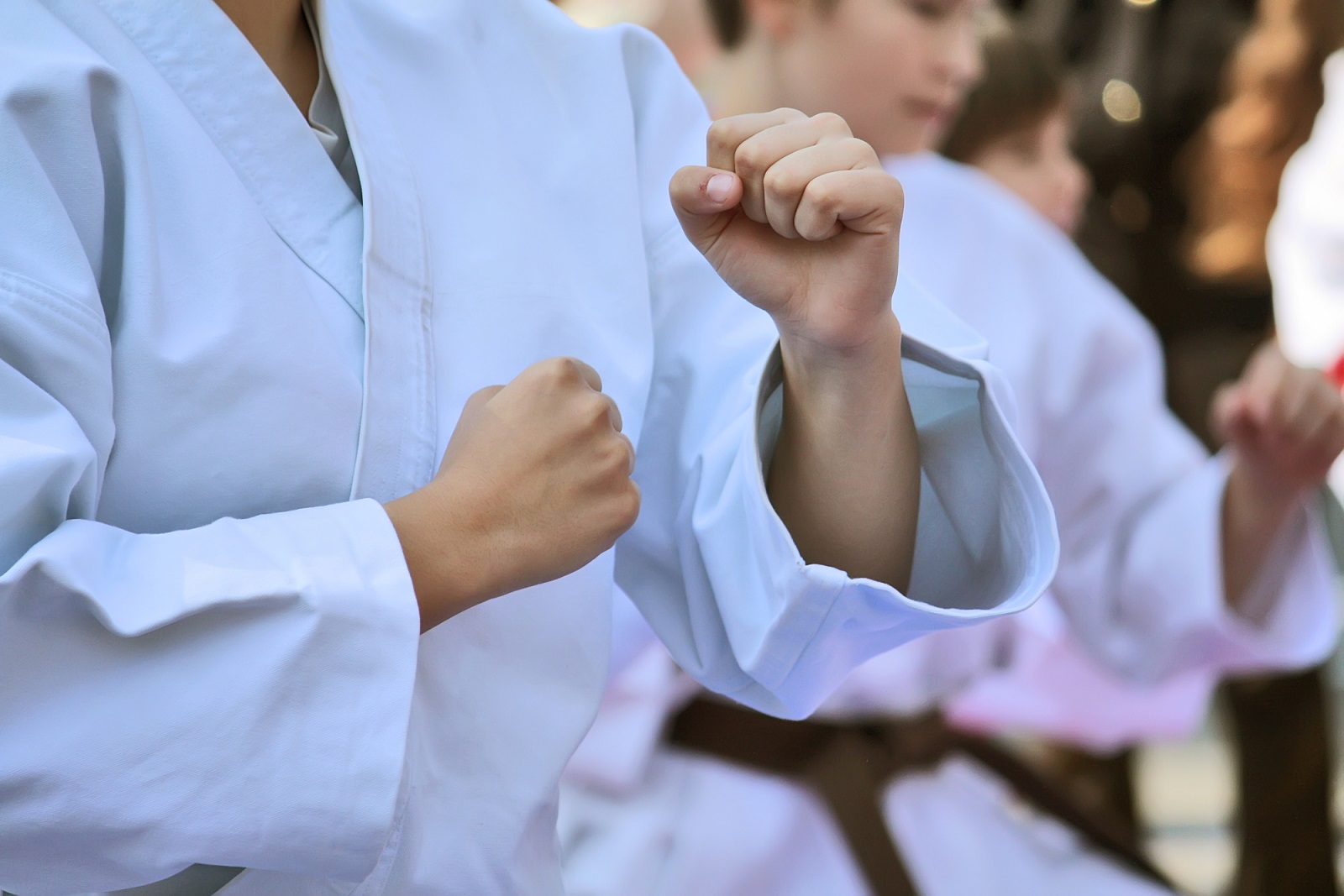
Martial arts training is often seen as a way to learn self-defence or to achieve physical fitness. However, the benefits of engaging in martial arts extend far beyond the dojo. Many practitioners discover that martial arts can be a powerful tool for personal growth, helping them develop discipline, confidence, and resilience. In this blog post, we will explore how martial arts training can unlock personal growth and provide practical insights for those considering this transformative journey.
The Foundations of Personal Growth in Martial Arts
Discipline and Commitment
One of the most significant lessons learned through martial arts is the importance of discipline. Training requires a consistent commitment to practice, which can be challenging but ultimately rewarding. Here are a few ways martial arts instils discipline:
Structured Training Regimen: Most martial arts schools have a structured curriculum that requires students to attend classes regularly and practice techniques outside of class.
Goal Setting: Practitioners often set personal goals, such as earning a new belt or mastering a specific technique. This process teaches the value of setting and achieving goals.
Time Management: Balancing training with other responsibilities helps individuals learn to manage their time effectively.
Building Confidence
Martial arts training can significantly boost self-confidence. As students progress through their training, they often experience a sense of accomplishment that translates into other areas of their lives. Here’s how martial arts can help build confidence:
Skill Mastery: Learning and mastering new techniques provides a sense of achievement. Each belt earned is a testament to the hard work and dedication put into training.
Overcoming Challenges: Facing and overcoming physical and mental challenges during training helps individuals develop a resilient mindset.
Self-Defence Skills: Knowing how to defend oneself can enhance feelings of safety and security, contributing to overall confidence.
Resilience and Mental Toughness
Martial arts training is not just about physical strength; it also fosters mental toughness. The ability to push through discomfort and setbacks is a crucial aspect of personal growth. Here are some ways martial arts cultivates resilience:
Facing Adversity: Sparring and competition expose practitioners to challenging situations, teaching them how to handle pressure and adversity.
Learning from Failure: Mistakes are an integral part of the learning process in martial arts. Practitioners learn to view failures as opportunities for growth rather than setbacks.
Mindfulness and Focus: Training often incorporates mindfulness practices, helping individuals stay present and focused, which is essential for overcoming challenges.
The Holistic Benefits of Martial Arts
Physical Fitness
While personal growth is a primary focus, martial arts also offers significant physical benefits. Regular training improves strength, flexibility, and cardiovascular health. Here are some key physical benefits:
Increased Strength: Many martial arts involve resistance training, which builds muscle and enhances overall strength.
Improved Flexibility: Techniques often require a wide range of motion, promoting flexibility and reducing the risk of injury.
Enhanced Endurance: The rigorous nature of training sessions improves cardiovascular fitness and stamina.
Social Connections
Martial arts training often fosters a sense of community among practitioners. The shared experience of training can lead to lasting friendships and support networks. Here’s how martial arts builds social connections:
Team Environment: Many martial arts classes emphasise teamwork and collaboration, encouraging students to support one another.
Shared Goals: Working towards common objectives, such as preparing for a tournament, creates bonds among practitioners.
Diverse Community: Martial arts attracts individuals from various backgrounds, promoting inclusivity and cultural exchange.
Practical Steps to Get Started with Martial Arts
Choosing the Right Martial Art
With numerous styles available, selecting the right martial art can be overwhelming. Here are some popular options to consider:
Karate: Focuses on striking techniques and forms, suitable for those looking for a traditional martial art.
Brazilian Jiu-Jitsu: Emphasises ground fighting and submissions, ideal for those interested in grappling.
Taekwondo: Known for its high kicks and fast-paced movements, great for those seeking a dynamic workout.
Muay Thai: A striking art from Thailand that incorporates punches, kicks, elbows, and knees, perfect for those wanting a full-contact experience.
Finding a Local Dojo or School
Once you’ve chosen a martial art, the next step is to find a local dojo or school. Here are some tips for selecting the right place:
Research: Look for schools with good reviews and qualified instructors. Websites and social media can provide insights into the school’s reputation.
Visit Classes: Attend a trial class to get a feel for the environment and teaching style. This will help you determine if it’s the right fit for you.
Ask Questions: Don’t hesitate to ask instructors about their experience, grading history, teaching philosophy, and class structure. Ask about safeguarding and whether they are registered with Sport England safeguarding.
Setting Personal Goals
Before starting your martial arts journey, take some time to set personal goals. Consider what you hope to achieve through training, whether it’s improving fitness, learning self-defence, or building confidence. Setting clear goals will help keep you motivated and focused.
Overcoming Common Challenges in Martial Arts Training
Initial Hesitation
Many people feel intimidated when starting martial arts. It’s normal to have concerns about physical ability or fitting in. Here are some tips to overcome initial hesitation:
Start Slow: Remember that everyone starts as a beginner. Focus on your progress rather than comparing yourself to others.
Seek Support: Connect with fellow students or instructors who can provide encouragement and guidance.
Embrace the Learning Process: Understand that mastery takes time. Celebrate small victories along the way.
Maintaining Motivation
Staying motivated can be challenging, especially when progress feels slow. Here are some strategies to maintain motivation:
Track Progress: Keep a journal of your training sessions, noting improvements and achievements.
Join a Community: Engage with fellow practitioners through social events or competitions to stay connected and motivated.
Mix It Up: Try different classes or training styles to keep your routine fresh and exciting.
Conclusion
Martial arts training is a powerful avenue for personal growth, offering benefits that extend far beyond physical fitness. Through discipline, confidence, and resilience, practitioners can unlock their full potential. Whether you are looking to improve your physical health, build self-esteem, or connect with a supportive community, martial arts can provide the tools you need to thrive.
As you embark on this journey, remember to set clear goals, stay committed, and embrace the challenges that come your way. The path of martial arts is not just about learning techniques; it’s about discovering who you are and what you are capable of achieving. So, why not take the first step today? Join a local dojo and begin your journey toward personal growth through martial arts.